The story of slot machines begins in the late nineteenth century, during a time when mechanical innovation was rapidly transforming entertainment. The first recognizable slot machine was created by Charles Fey in San Francisco. This early device, often called the Liberty Bell, featured three spinning reels and a simple mechanism that determined outcomes.
Players were drawn to the machine’s simplicity. With just a lever to pull and a few symbols to match, it offered instant results and a sense of excitement that was new at the time. The symbols themselves, such as bells, horseshoes, and playing cards, became iconic and set the foundation for what slot machines would become.
These early machines were entirely mechanical. Their inner workings relied on gears, springs, and carefully balanced systems that ensured randomness within the limitations of the technology available at the time. Despite their simplicity, they captured the imagination of players and quickly spread across bars, saloons, and entertainment venues.
The First Steps Toward Popularity
As these machines became more widespread, their appeal grew rapidly. Players enjoyed the quick pace and the possibility of winning small prizes without needing to learn complicated rules. This accessibility helped establish slot machines as a staple of early gambling culture.
The Rise of Electromechanical Slots
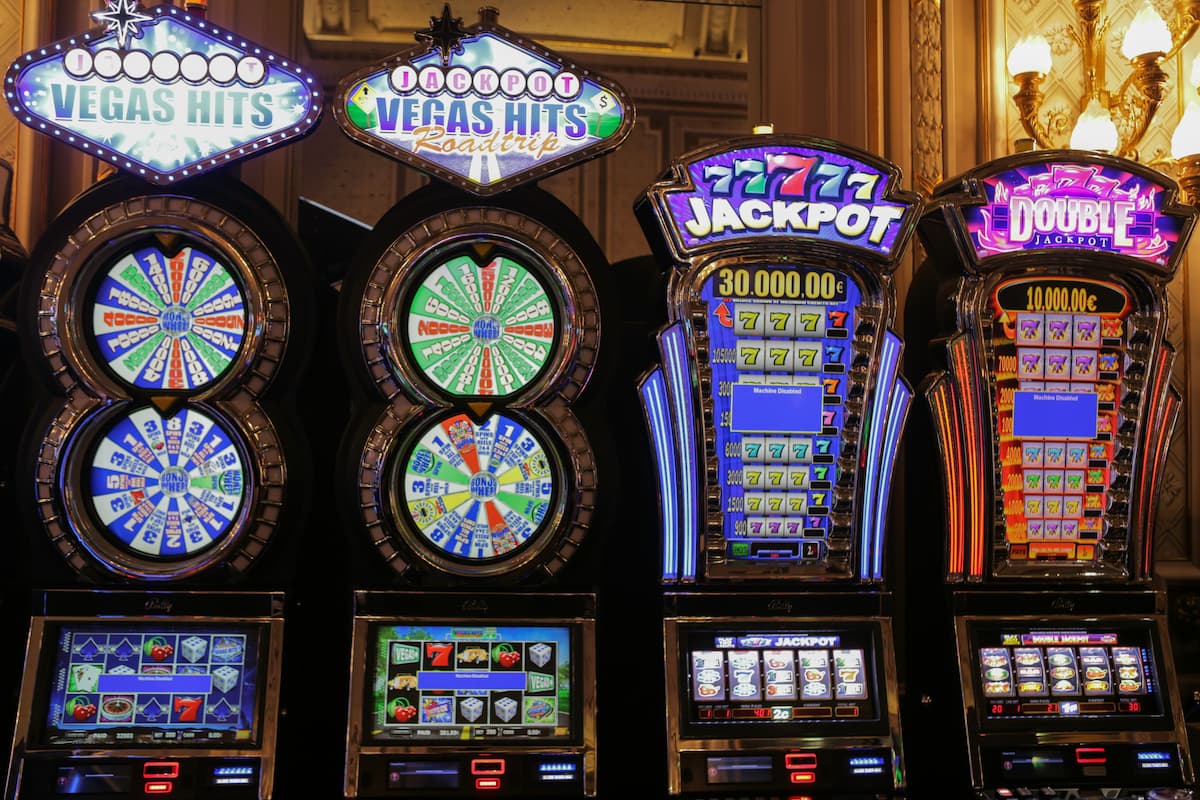
As technology advanced, slot machines began to evolve. By the mid-twentieth century, electromechanical machines started replacing purely mechanical designs. These machines introduced electrical components that allowed for more complex features and smoother gameplay.
One of the most significant changes during this period was the introduction of larger payouts and automated systems. Instead of requiring manual intervention, machines could now calculate and deliver winnings more efficiently. This innovation made slot machines more reliable and appealing to both players and operators.
Expanding Features and Gameplay
Electromechanical slots allowed for the addition of new elements such as multiple paylines and bonus features. These enhancements made the games more engaging and encouraged players to spend more time exploring different combinations.
The transition from mechanical to electrical systems marked a turning point in the evolution of slot machines. It opened the door to more creative designs and laid the groundwork for future innovations.
The Digital Revolution and Video Slots
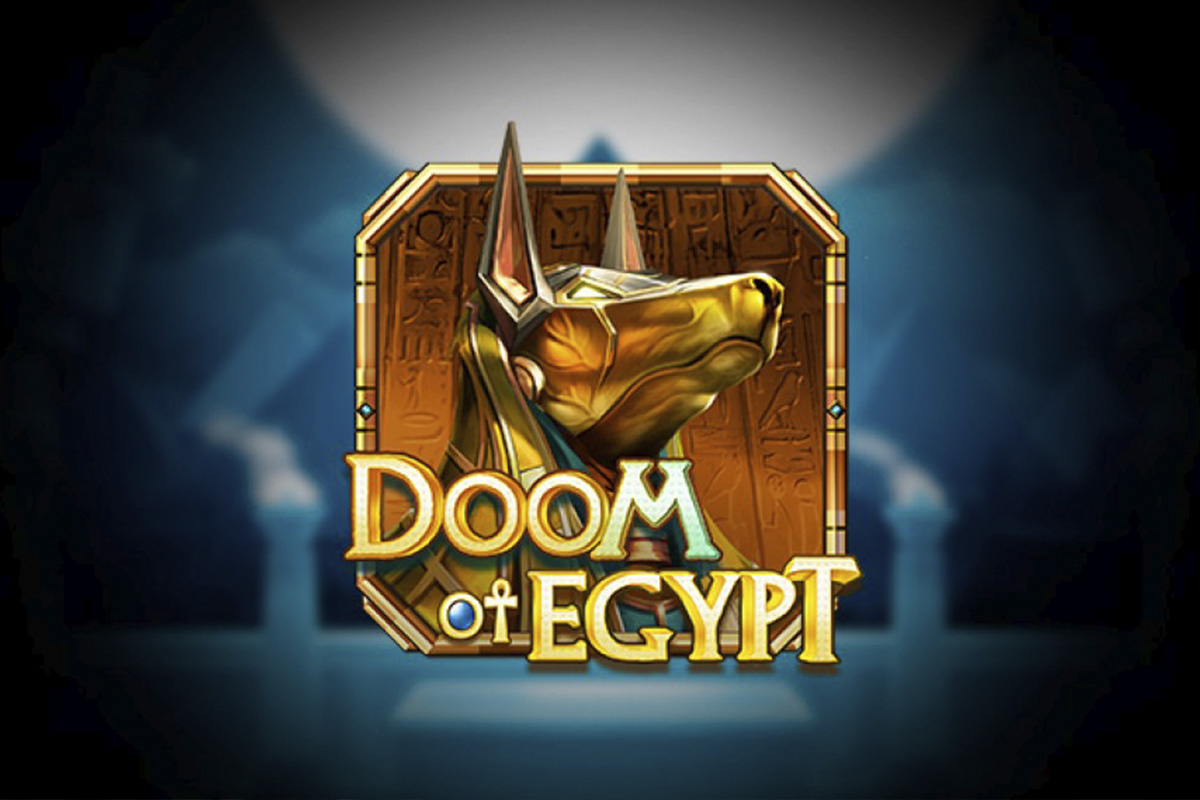
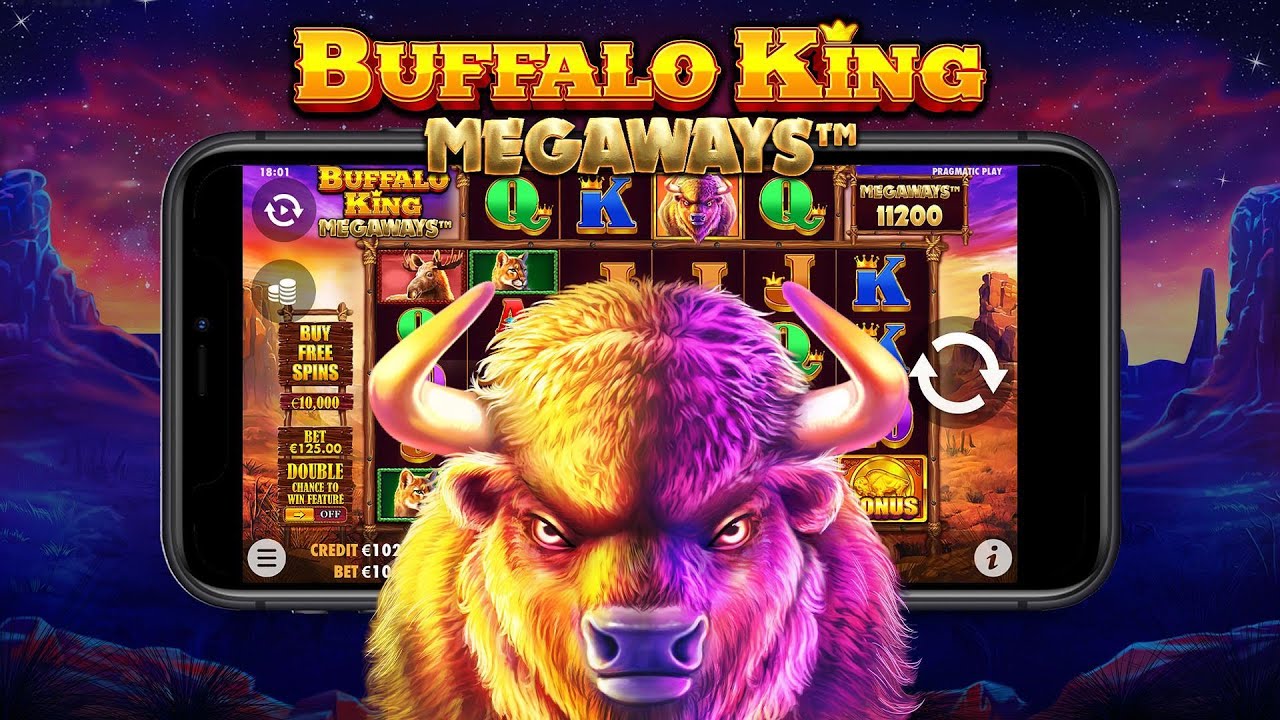
The next major transformation came with the rise of digital technology. Video slots replaced physical reels with virtual ones displayed on screens. This change allowed developers to move beyond the limitations of physical components and create more complex and visually appealing games.
Video slots introduced themes, animations, and sound effects that transformed the gaming experience. Instead of simple symbols, players could now explore immersive worlds inspired by mythology, adventure, and popular culture.
From Physical Reels to Digital Displays
The shift to digital displays gave developers greater freedom in designing games. Features such as bonus rounds, free spins, and interactive elements became standard. Players were no longer just spinning reels; they were participating in dynamic and engaging experiences.
This era also saw the introduction of random number generators, which ensured that each spin was independent and fair. The use of software brought a new level of trust and consistency to slot machines.
Online Slots and Global Accessibility
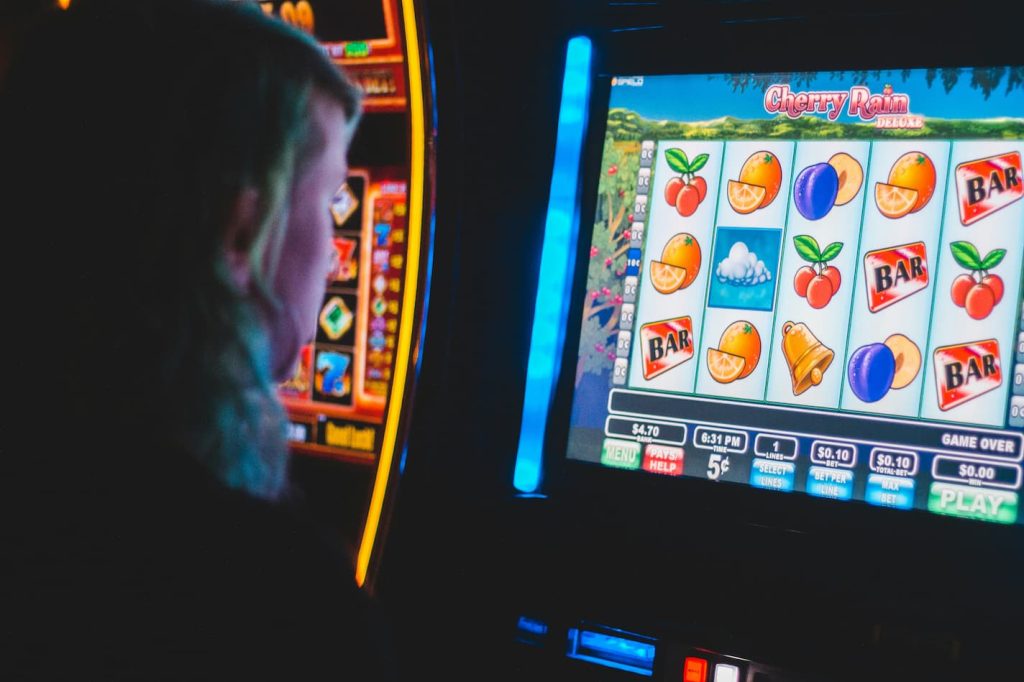
The arrival of the internet revolutionized slot machines once again. Online casinos made it possible for players to access their favorite games from anywhere in the world. This accessibility significantly expanded the reach of slot machines and introduced them to new audiences.
Online platforms offered a vast selection of games, each with unique themes and features. Players could switch between different slots instantly, exploring a variety of experiences without leaving their homes. This convenience contributed to the rapid growth of online gambling.
The Role of Mobile Gaming
As smartphones became more advanced, mobile gaming emerged as a key part of the online casino experience. Players could now enjoy slot machines on their phones and tablets, making gaming more flexible than ever before.
Platforms such as National Casino provide access to extensive libraries of online slots optimized for both desktop and mobile devices. This adaptability ensures that players can enjoy smooth gameplay regardless of how they choose to play.
Modern Innovations in Slot Machines
Today’s slot machines are far more advanced than their early counterparts. Developers continue to experiment with new technologies, creating games that blend traditional mechanics with modern innovation. Features such as progressive jackpots, 3D graphics, and cinematic storytelling have become common.
Progressive jackpots, in particular, have added a new level of excitement. These jackpots grow over time as players contribute to a shared prize pool, offering the potential for life-changing wins. This feature has become one of the most attractive aspects of modern slots.
Personalization and Player Experience
Modern slot machines also focus on personalization. Many platforms use data to recommend games based on player preferences, creating a more tailored experience. This approach helps players discover new games that match their interests and playing style.
The emphasis on user experience extends to game design as well. Developers aim to create visually appealing interfaces and smooth gameplay that keep players engaged for longer periods.
The Future of Slot Machines
The evolution of slot machines shows no signs of slowing down. Emerging technologies such as virtual reality and augmented reality are beginning to influence game design. These innovations have the potential to create even more immersive experiences, where players feel as though they are inside the game itself.
Blending Technology with Tradition
Despite these advancements, the core appeal of slot machines remains unchanged. The excitement of spinning reels and the anticipation of a winning combination continue to define the experience. Modern technology enhances this feeling but does not replace it.
As the industry continues to grow, slot machines will likely continue evolving while preserving the simplicity and excitement that made them popular in the first place.